Hardwood
Timeless Elegance Meets Modern Durability: There's something undeniably captivating about hardwood floors. they exude warmth, richness, and a classic appeal that never goes out of style. Our range includes various species like oak, maple, and walnut, each promising a unique grain pattern and color, ideal for those who value authenticity and strength in their flooring.

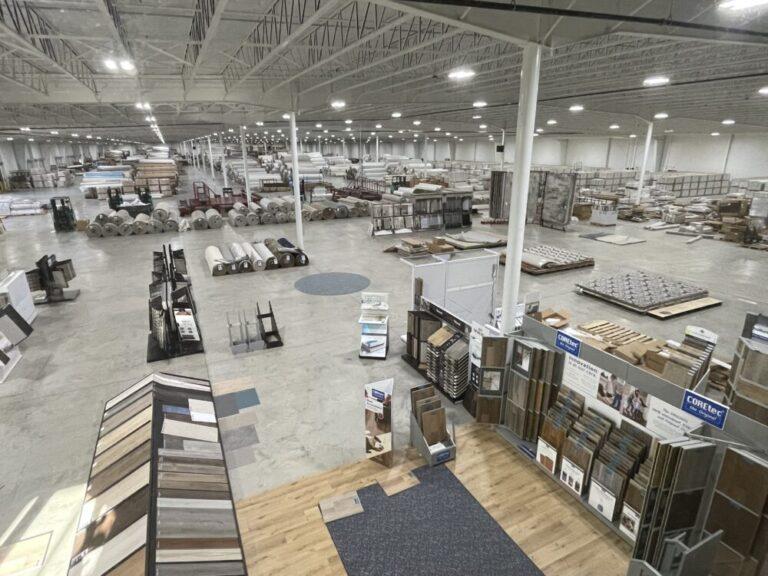
Warehouse Direct
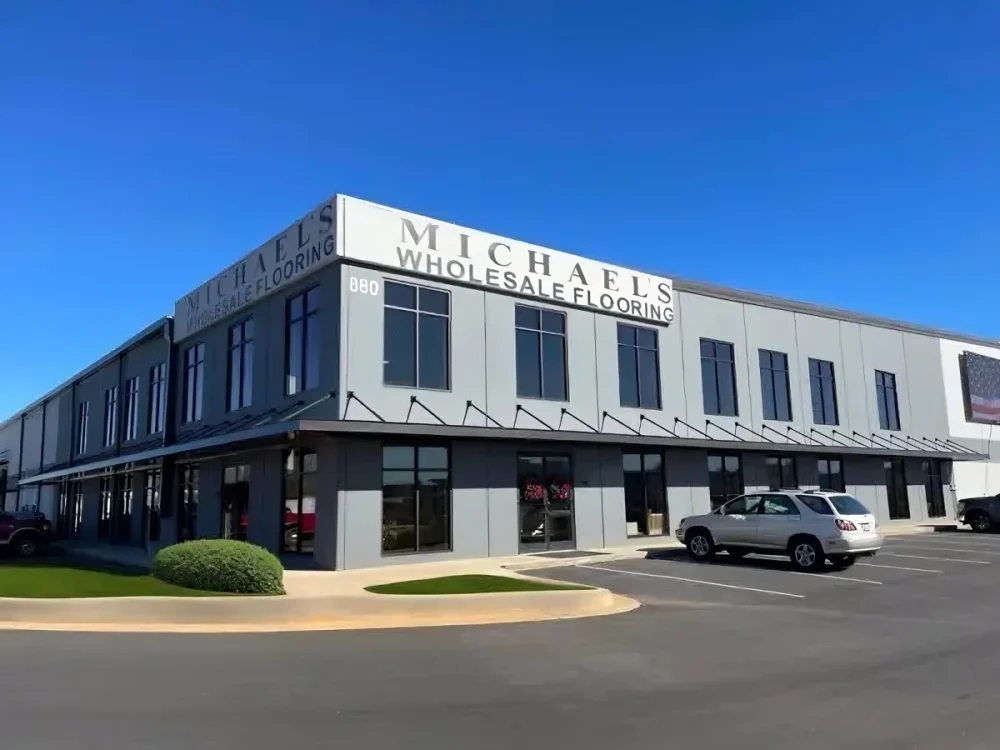
We've been in busienss since 1978. We made a committment then to offer the best price and service for all men and women who need flooring. Thats when we started offering warehouse direct pricing so any hard working individual can enjoy new flooring. Our wholesale pricing is guaranteed to be lower than the rest and we've got years of business to prove it.
Laminate
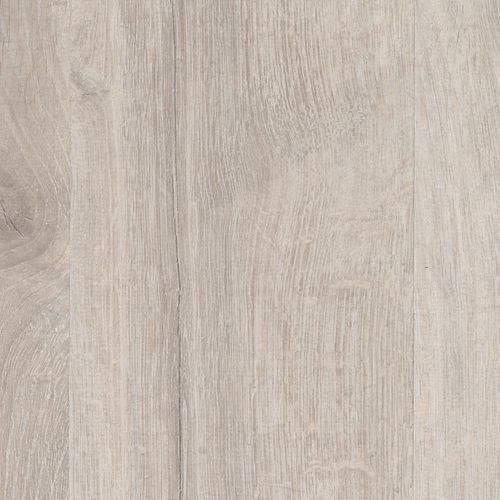
The Practical Beauty: If you adore the look of hardwood but need something more budget-friendly and easy to maintain, laminate flooring is the answer. Our laminate options replicate the appearance of real wood and come with the added benefit of being scratch-resistant and suitable for high-traffic areas.

Carpet
Carpets are not just floor coverings; they're a statement of your lifestyle. At Michaels Carpet, we offer a myriad of carpet styles-from plush and textured to Berber and frieze. Our collection ensures that you find the perfect match for your home or office, making each step a soft and luxurious experience.
Carpet Tile
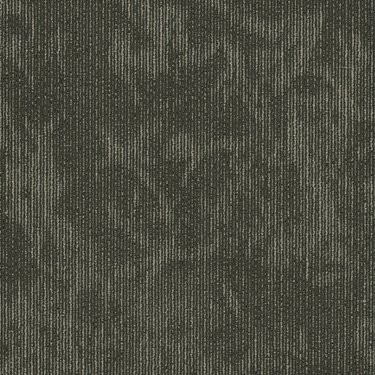
Why choose Michaels Carpet for Carpet Tile? Our commitment to quality, variety, and customer satisfaction sets us apart. We believe in providing solutions that not just meet but exceed your expectations. With Michaels Carpet, you're not just purchasing a floor, you're investing in a foundation that will redefine your space for years to come.
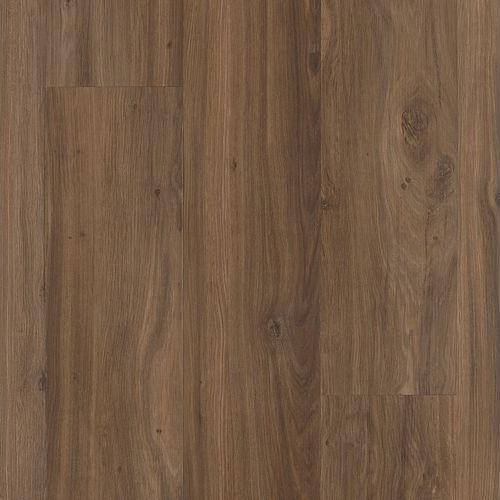
Luxury Vinyl Plank
Luxury Vinyl Plank (LVP) flooring has emerged as a popular choice for homeowners seeking a balance between aesthetics and practicality. Composed of multiple layers, including a resilient vinyl core, realistic photographic layer, and a protective top coat, LVP convincingly mimics the appearance of natural materials like hardwood or stone.